Comment

Why Arts Education Matters: The Impact of Opera in Schools

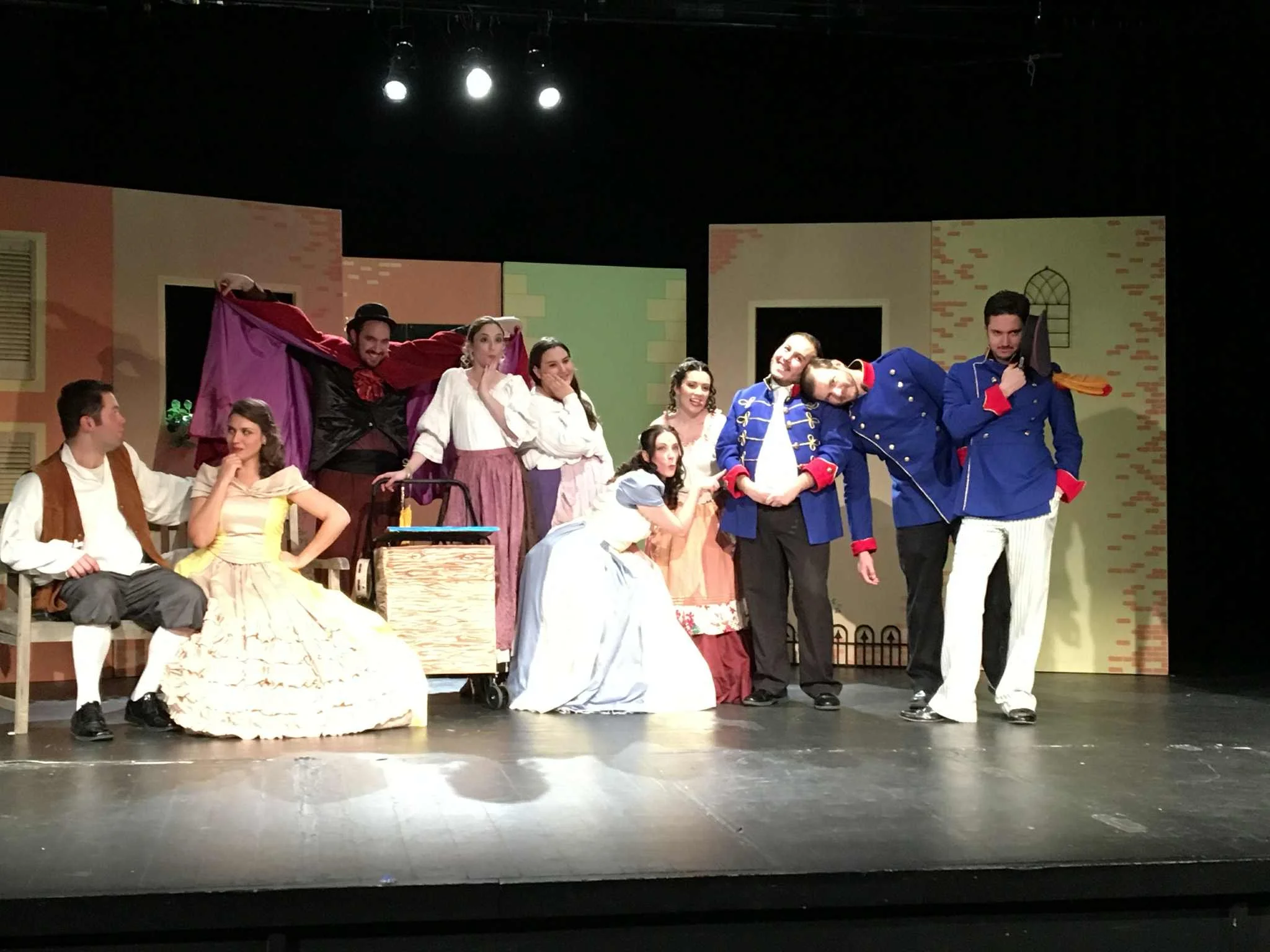
Arts education is more than an enrichment activity, it is a powerful tool that shapes how students think, feel, and connect with the world. Boulder Opera offers two opera outreach classroom programs that allow us to bring opera to students in the fall and spring semesters. In the fall we invite students to the student matinee performances of our Family Series and bring a bilingual opera education workshop to classrooms to prepare them for the field trip to the student matinee. This year we reached over 250 students with our workshops and performances of Gaetano Donizetti’s Elixir of Love. Over half of those reached were students from Title 1 schools in Boulder county. 

In the spring, we offer a travelling opera production. For this program, we bring an opera production to each individual school. For the past couple of years, we have been touring our bilingual Spanish-English production of Chris Praetorius Gómez’s opera Xochitl and the Flowers. Along with the opera performance, students also participate in a bilingual workshop where they learn the story of the opera and make colorful paper flowers that will be used on stage by our touring artists during the performance. Over the past two years we have reached over 4000 students across Boulder, Adams and Denver counties, including many students at Title 1 schools, with our touring program. 

I have been fortunate to lead many of these workshops and the joy and creativity in the classrooms is palpable. Cognitively, students engaged with opera encounter complex storytelling, multilingual text, and layered musical structures that challenge the brain in unique ways. Emotionally, opera gives students new ways to understand and express their experiences. One of my favorite memories from the last three years took place this fall at a storytelling workshop around the story of Elixir of Love. At the end of our workshop, students presented their stories in both Spanish and English. The stories created were very inventive, but what was even more moving was the collaboration and laughter that the groups shared. It was a wonderful moment where opera cultivated community through co-creation, imagination, and play!

-ALICE DEL SIMONE, EDUCATION DIRECTOR

Comment

Comment

NONPROFIT Spotlight

NONPROFIT Spotlight: BOULDER OPERA COMPANY A SEASON OF STORIES THAT CAPTIVATE

Read More

Interested in volunteering, sponsoring a performance, underwriting education outreach or hosting a house concert? Visit our website to learn how you can be part of the Boulder Opera family.

Comment

Opera in Colorado: Your Ultimate Summer Guide

Comment

Opera in Colorado: Your Ultimate Summer Guide

Colorado comes alive in the summer with music, mountains, and magical performances—and opera lovers are in for a treat. From breathtaking mountain venues to charming city plazas and serene outdoor parks, opera in Colorado offers something for everyone. Whether you're planning a cultural weekend getaway or simply enjoying an evening of music under the stars, this guide will lead you through the must-see opera events happening across the state.

Comment

Interview with Conductor Brandon Matthews on Puccini's Double Bill

Comment

Interview with Conductor Brandon Matthews on Puccini's Double Bill

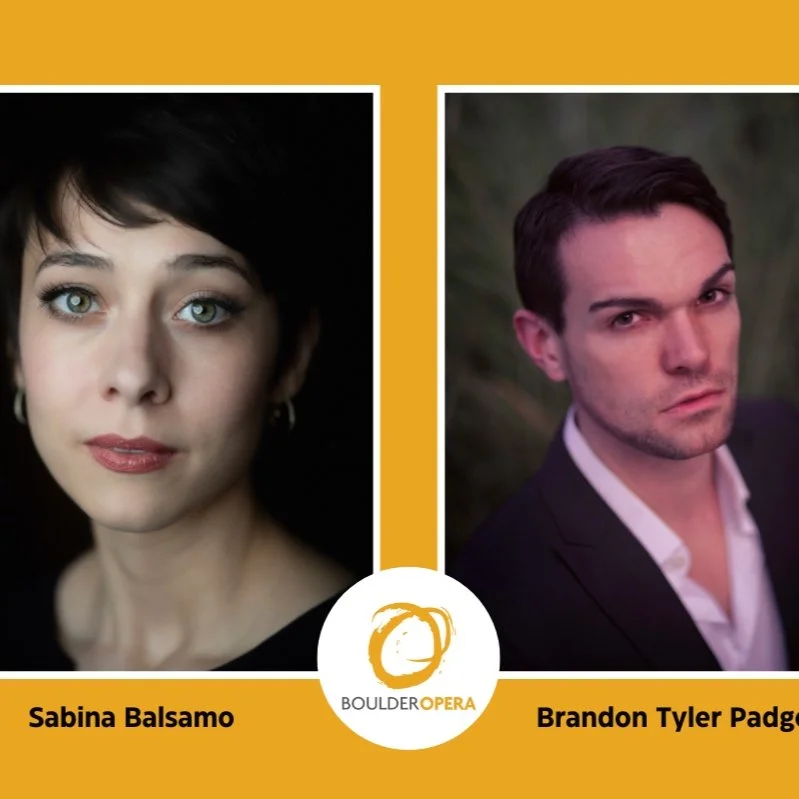
As Boulder Opera prepares for its winter production of Puccini’s Il Tabarro and Gianni Schicchi at the Dairy Arts Center, we sat down with conductor Brandon Matthews to discuss his thoughts on the music, themes, and his personal connection to these works. This production marks Dr. Matthews' debut with Boulder Opera  

Comment

Behind the String: Casey Klopp on becoming Pinocchio

Comment

Behind the String: Casey Klopp on becoming Pinocchio

The Adventures of Pinocchio by Jonathan Dove will bring its magic on to the eTown Hall stage. The enchanting music and its incredibly gifted cast, The Adventures of Pinocchio proves another installment of the Family series perfect introduction to opera for the young generation. 

Comment

Making Opera Accessible with Dianela Acosta

Comment

Making Opera Accessible with Dianela Acosta

Recently the Denver Arts & Culture News sat down with Boulder Opera’s  founder and Executive Artistic Director Dianela Acosta for an interview. Discover her journey as a female leader in opera, her passion for engaging new audiences, and the innovative programs Boulder Opera offers. Learn how she promotes gender diversity and creates opportunities for local musicians, and find out what exciting projects are on the horizon for the company.

Don't miss this insightful interview! READ MORE HERE

Comment

Comment

Ilan Blank Chats About His Piece, The Spare Room with a Shag Rug

Boulder Opera Company had the privilege to interview Ilan Blank, a local composer and recent graduate from CU. Blank's The Spare Room with a Shag Rug will be showcased in our upcoming performance, Operatizers. Tune in as Blank explains the inspiration behind his creation, how history influences his storytelling and more fascinating insights. 

Comment

Suor Angelica Stage Director, Helen Van Tine-Golden's Interview

Comment

Suor Angelica Stage Director, Helen Van Tine-Golden's Interview

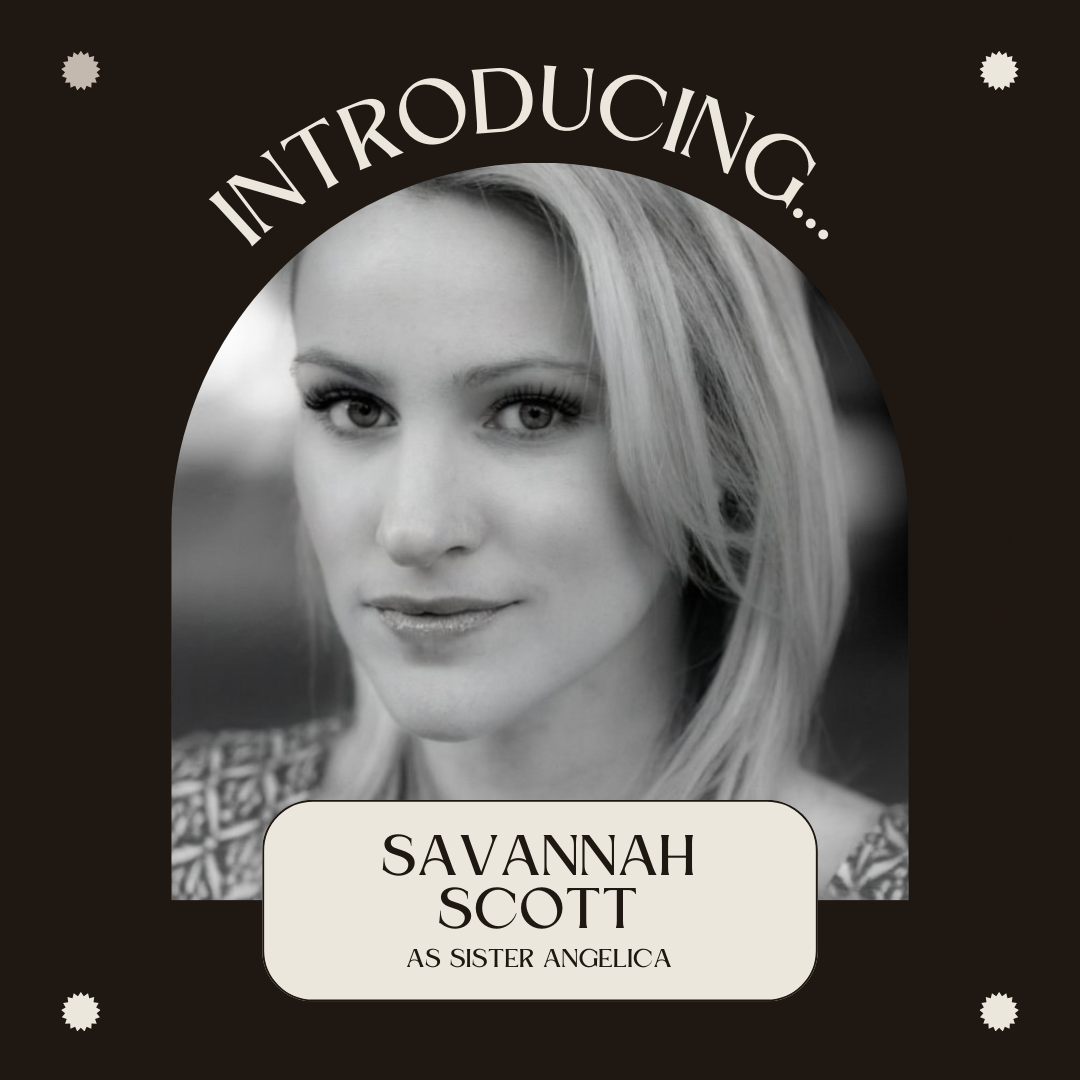
Suor Angelica by Puccini was crafted a century ago and stands as a notable piece of artwork due to its emotional depth and poignant music. Native New Yorker, Helen Van Tine-Golden is set to direct her interpretation of this one-act opera Suor Angelica at Dickens Opera House. Van Tine-Golden describes Suor Angelica as a tiny gem of verismo opera. “Suor Angelica is an opera where the most glorious orchestra and melody are written in celebration of the female voice and psyche,” said Van Tine-Golden. In an exclusive interview, Van Tine-Golden sat down with us to discuss the highly anticipated Dinner Opera: Suor Angelica, taking time out of her busy schedule to share her insights. 

Puccini's inspiration to write Suor Angelica came from his sister, who joined a convent. Puccini was a frequent visitor and benefactor of his sister's convent. “The impetus to all his operas was a play he saw, a story he read, or observations from the lives of people he encountered, that moved him deeply to compose operas that matched the emotional complexities he felt about the characters and their stories,”  explains Van Tine-Golden. While the specifics of what Puccini witnessed at his sister’s convent remains unknown to this day, Suor Angelica held a special place in his heart among the three one-acts he wrote.

The story of Suor Angelica is very human. Van Tine-Golden says that the characters in Suor Angelica are too complex to be characterized as ‘good’ or ‘bad.“The backstory and motivations for Suor herself, the nuns, and the Principessa are inferred from what they say, how they act, and the color of the music. Just like in everyday life, we glean what we know -or think we know -about people by what the little things that they say and do stir up in us - good and bad.”   


In the words of Puccini, “I told you that I always wanted to make people cry: that’s all. But do you think it is easy? We have to find a story that holds us with its poetry, it's love and suffering, and inspires us to the point that we can get an opera out of it.” Van Tine-Golden aims for her audience to fall in love with her production of Suor Angelica. “It's humanity and the celestial music.” She went on to say that she welcomes tears from her audience, “And, if you cried at the end, like Mr. Puccini wanted you to, all the better. Then take every opportunity they can to see and hear all of Mr. Puccini's works, as well as all the great operas, old and new.”

Comment

Sharps & Flatirons: Boulder Opera to Present Verdi's Il Trovatore

Comment

Sharps & Flatirons: Boulder Opera to Present Verdi's Il Trovatore

Sharps and Flatirons blog

Performances will be at the Dairy Arts Center March 19 and 20. 

By Izzy Fincher March 15 at 12:15 p.m.

What is the secret to pulling off Verdi’s Il trovatore? According to the Italian tenor Enrico Caruso, it’s easy—as long as you have “four of the greatest singers in the world.”

As part of their 10th Anniversary Season, the Boulder Opera Company will present Il trovatore (The troubadour) March 19 and 20 at the Dairy Arts Center. With scenic projections, a reduced orchestra and a chorus, this four-act opera is one of the company’s most ambitious, large-scale productions to date. 

Azucena (Dianela Acosta) in the Boulder Opera production of Verdi’s Il Trovatore

Il trovatore is a hard opera to present, with four principal roles that require large, dramatic voices and demanding vocal techniques. This is especially true for the lead female characters. The Romany woman Azucena (played by Dianela Acosta) needs a lyrical yet dramatic mezzo soprano with a large range, while noblewoman Leonora (Michelle Diggs-Thompson) needs a coloratura soprano voice that is both flexible and hefty. 

“Now that I have been singing for a while, I think that Verdi has kind of settled in my voice,” Diggs-Thompson says. “I don’t think I would have been able to pull off this role 20 years ago.”

Beyond this, the opera poses an artistic challenge—that of bringing to life an impossibly melodramatic storyline with twisted characters in a relatable way. Set in 16th-century war-torn Spain, this blood-curdling tale of revenge features burning babies, kidnapping, beheading, gypsy curses and death by poison.

Premiered in 1853, Il trovatore is a part of a group of three operas by Verdi, along with Rigoletto (1851) and La traviata (1853), that represented a fundamental shift in his dramatic style. Il trovatore is based on Spanish playwright Antonio García Gutiérrez’s first commercial success, El trovador (The troubadour) of 1836. 

For the adaptation, Verdi worked with prolific librettist Salvadore Cammarano, best known for Donizetti’s Lucia di Lammermoor. In his correspondence with Cammarano, Verdi urged the playwright to stay true to the sensationalism in the original play, stating “the more unusual and bizarre the better.” Initially, he wanted to call the opera La zingara (The Gypsy), in honor of Azucena, who is at the heart of the melodrama. 

The Count di Luna (Karl Butterman)

The plot centers around a twisted love triangle. In the kingdom of Aragon, Count Di Luna (Karl Butterman), a nobleman in the service of the prince, is madly in love with Leonora, one of the Queen’s noblewomen. But she is in love with another man: Manrico (Nathan Snyder), a troubadour and officer in the army of the Prince of Urgel and Azucena’s son, who is leading rebel forces against the monarchy.

“Manrico is a hot-head,” says Snyder. “Verdi writes him in such a bombastic way. It’s electrifying.”

“This story is so powerful (because) it deals with three faces of love,” stage director Gene Roberts says. “It deals with romantic love at the center of the story. It deals with the fierceness of a mother’s love and how that lasts over many years. But the one that seems to be the most powerful in this story and the undoing of everyone is obsessive love.”

But what drives the opera forward is a thirst for revenge, which is introduced in the convoluted backstory. Years ago, a Romany woman set a curse upon Di Luna’s infant brother, causing the child to become sick. The Count had the woman burned at the stake. To avenge her mother, the woman’s daughter—Azucena—kidnapped the infant and supposedly threw him into the fire. The Count swears to get his revenge, though this will ultimately destroy him and those he loves. 

“When you are really obsessed with the thought of vengeance, it colors everything, even love,” Roberts says. “Love can become really obsessive. If you can’t have it, no one can have it. Focusing on your vendetta, rather than forgiving those around you, can blind you from seeing those who are close to you.

“There are surprises in this story until the last eight measures of music.”

Manrico (Nathan Snyder center-right) confronts (L-R) the Count di Luna (Karl Butterman) and Ferrando (Allen Adair)

Despite the melodramatic plot, Il trovatore features some of Verdi’s most profound and innovative music. 

Verdi incorporates elements of Spanish music, such as flamenco rhythms and guitar-like textures, as well as Moorish and Romany music. There are numerous quotable melodies, including the iconic “Anvil Chorus” in Act II with clanging anvils, triangles, cymbals and drums, Azucena’s “Stride la vampa,” Manrico’s “Di quella pira” and Leonora’s “Miserere.”

“Verdi has this powerful way of completely melding the drama and the music,” Snyder says. “He puts it right into your face, and it’s a blast.”

# # # # #

Il trovatore
By Giuseppe Verdi and Salvadore Cammarano
Boulder Opera Company
Jorge Salazar, conductor; Gene Roberts, stage director
With Michelle Diggs-Thompson, Nathan Snyder, Karl Butterman and Dianela Acosta
Performed in Italian with English titles 

7 p.m. Saturday, March 19
3 p.m. Sunday, March 20
Gordon Gamm Theater, Dairy Arts Center

Il Trovatore Tickets

Comment