
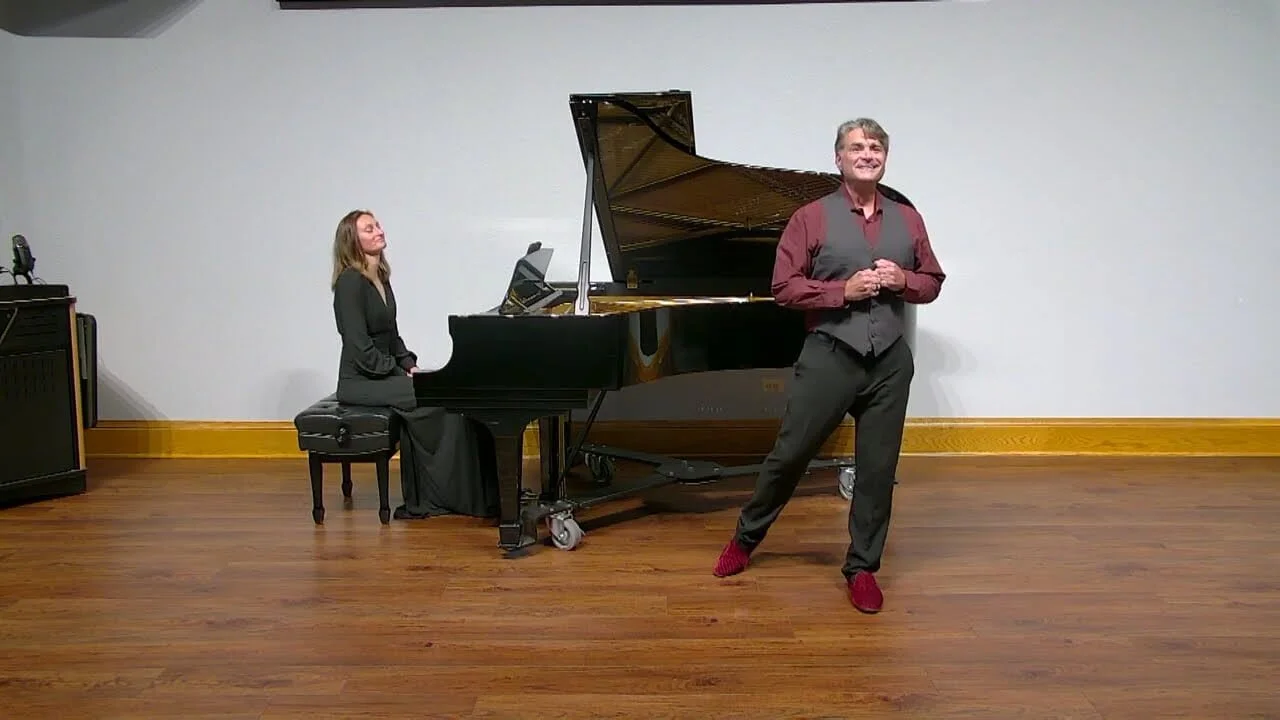
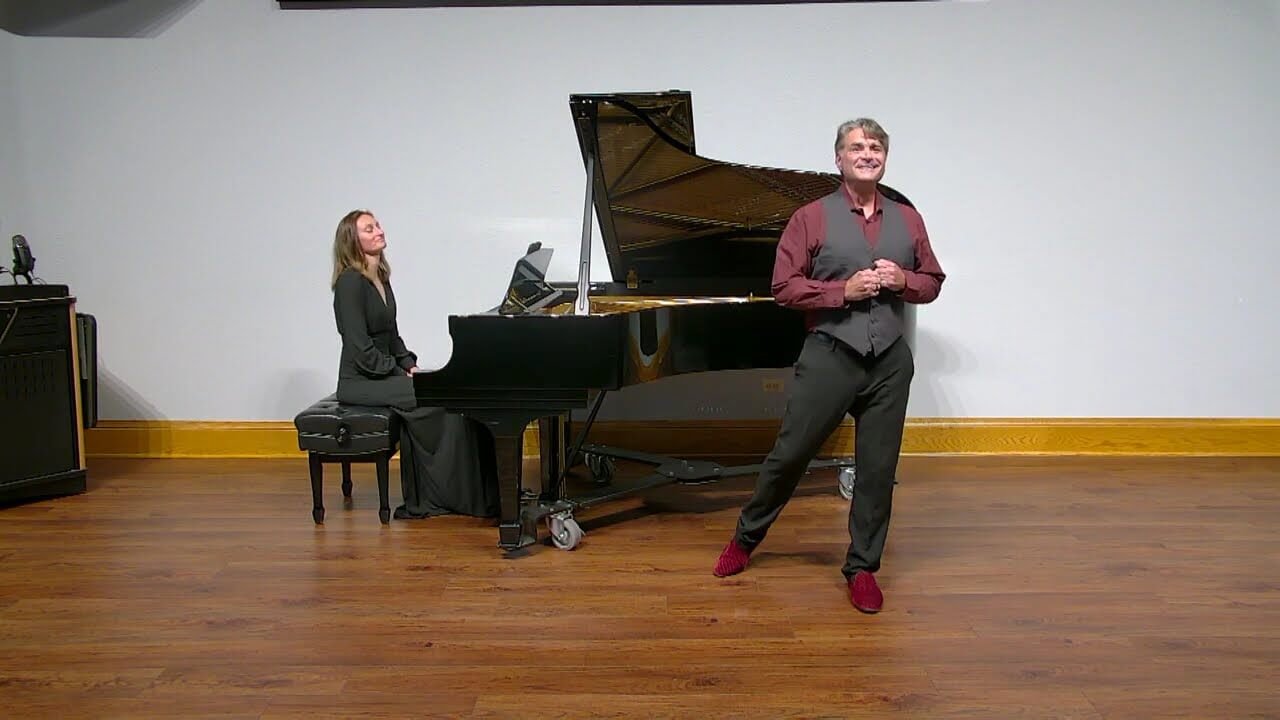
Boulder Opera is proud to present Der Rosenkavalier by Strauss, directed by Mark Lubas. Known for his thoughtful storytelling and deep musical insight, Mark has reimagined Strauss and Hofmannsthal’s classic in an intimate chamber version set in 1950s Denver.
“As the stage director and editor of our chamber version of Der Rosenkavalier, I am so excited for Colorado audiences to see this intimate, local presentation of Strauss’ most-loved opera! Set in the 1950s in both a Queen-Anne mansion in the rapidly changing Capitol Hill neighborhood in Denver and in a nouveau-riche home in the Denver suburbs, this chamber version examines many of the same issues as the original 1740s setting, but through a more modern and relatable lens. Come enjoy a tale of love, duty, class, evolution, and honor, still adorned with the same beautiful music and melodies we know and love.”
Mark also makes a fun cameo as an Italian singer, adding a little extra charm to the stage while guiding audiences through this streamlined, emotionally rich version of the opera.
1.You’ve chosen to set Der Rosenkavalier in the 1950’s. What about that era speaks to the themes of the opera—time passing, social change, and shifting relationships?
Huge social and economic change happened in the city of Denver and its suburbs in the era after WW2. As GI’s returned from duty, many wanted a familiar place to continue on with their lives, but didn’t want to return home after so much had changed for them psychologically and economically. Lowry Field, later Lowry Air Force Base in Denver represented that familiarity for so many service members, and their hard-earned middle-class status allowed them the resources to find a house to start their families in the Denver suburbs. At the same time, a new, more progressive approach to city government meant that things were changing for the economically elite in Denver, and they began to migrate from exclusive neighborhoods like Capitol Hill to the suburbs. Once there, they found already-established middle-class neighbors, some holding the metaphoric key to social interaction. Instead of having to “marry up” into a higher social class as it was in 1700’s Europe, the upper class moving to the suburbs in 1950’s Denver found that instead of the exclusive social clubs that existed in the city they thrived in, there were now golf and tennis clubs as well as neighborhood social gatherings and charitable organizations. Rather than being run by a handful of high society patrons, these social clubs were shared and staffed by both the upper and middle class, with both operating on equal footing in service to others. Adjustments in class-based relationships and preconceived notions were challenged on all sides. Ready or not, change had come.
2. This production is a reduced, two-hour version with some characters cut. How did you decide what was essential to keep so the heart of Rosenkavalier still beats strongly?
It is never an easy task to edit or condense a well-loved classic, and I approached it with care and research. The relationships in Der Rosenkavalier—Marschallin-Octavian, Marschallin-Ochs, Ochs-Faninal, Sophie-Octavian—represent issues of flexibility, love, self-questioning, and ultimately acceptance from different points of view. It is these relationships, and the highs and lows that present themselves from each perspective, that I worked hard to preserve and illuminate.
3. The 1950s were a moment of transition—post-war, modernizing, and redefining gender roles. How does that social shift help us see the Marschallin, Octavian, and Sophie in a new light?
The 1950s in the United States, and Denver specifically, were a time of great upheaval. Society modernized and homogenized rapidly with new technology and a powerful middle class. Established attitudes toward class and gender roles were constantly challenged, and new opportunities for collaboration emerged.
For the Marschallin, these socioeconomic changes allow her struggles and development to feel more fully realized and relatable to modern audiences. Similarly, Octavian’s conflict between duty, respect, and desire can be explored in a less formulaic way. As for Sophie…well, some surprises are reserved for the audience!
4. Strauss and Hofmannsthal originally set the opera in an idealized 18th-century Vienna. What do we gain emotionally or dramatically by bringing the story closer to our own recent past?
The answer is familiarity. Many audience members have parents or grandparents who experienced similar social and personal changes, creating a direct emotional connection.
By setting this production locally in a recognizable time period, the audience can engage more deeply with the characters’ emotions. Swapping the fairytale backdrop of 1740s Vienna for a relatable 1950s Denver setting makes the story feel more real and raw. Combined with the intimacy of the chamber score, this allows for a more immersive operatic and emotional experience.
5. For audience members experiencing Rosenkavalier for the first time, what should they listen for or watch for in this streamlined version that reveals the soul of the opera?
Give yourself permission to be open and vulnerable. The interactions, unexpected emotional responses, humor, and ultimate outcomes reveal the heart of Der Rosenkavalier—the depths and boundaries of relationships—while allowing for personal reflection. There are lessons in this beautiful music for us all if we allow ourselves to consider them.
FREE Pre-Talk with Mark Lubas
Sunday, April 19, 2026 | 2:15 PM
Location: Dairy Arts Center
Join us for a free pre-talk with stage director Mark Lubas, offering an inside look at Der Rosenkavalier. Mark will share insights into the story, characters, and staging of this beloved opera, giving audiences a richer context before the performance.
✔️ Free and open to all ticket holders on April 19th
✔️ No additional reservation required
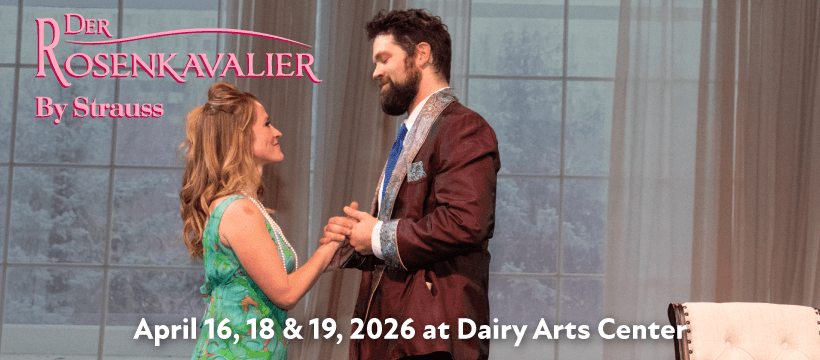
Don’t miss Boulder Opera’s intimate chamber production of Der Rosenkavalier—a powerful reimagining of Strauss’s masterpiece set in 1950s Denver. Experience love, transformation, humor, and heartbreak in a way that feels strikingly close to home.
🎟 Tickets available now at bit.ly/der-rosenkavalier